Key takeaways
- Windows are a major place where heat and cold move in and out of a home.
- Cellular shades add insulating air pockets.
- Solar shades and film reduce sunlight and glare.
- Results vary with your windows, home and weather.
Why windows matter
Windows lose heat in winter and gain it in summer. A window treatment adds a layer at the glass that slows that exchange and controls sunlight. It will not match the performance of new windows, but it can make rooms noticeably more comfortable.
The effect depends on the window, the treatment and how it is used.
Insulating treatments
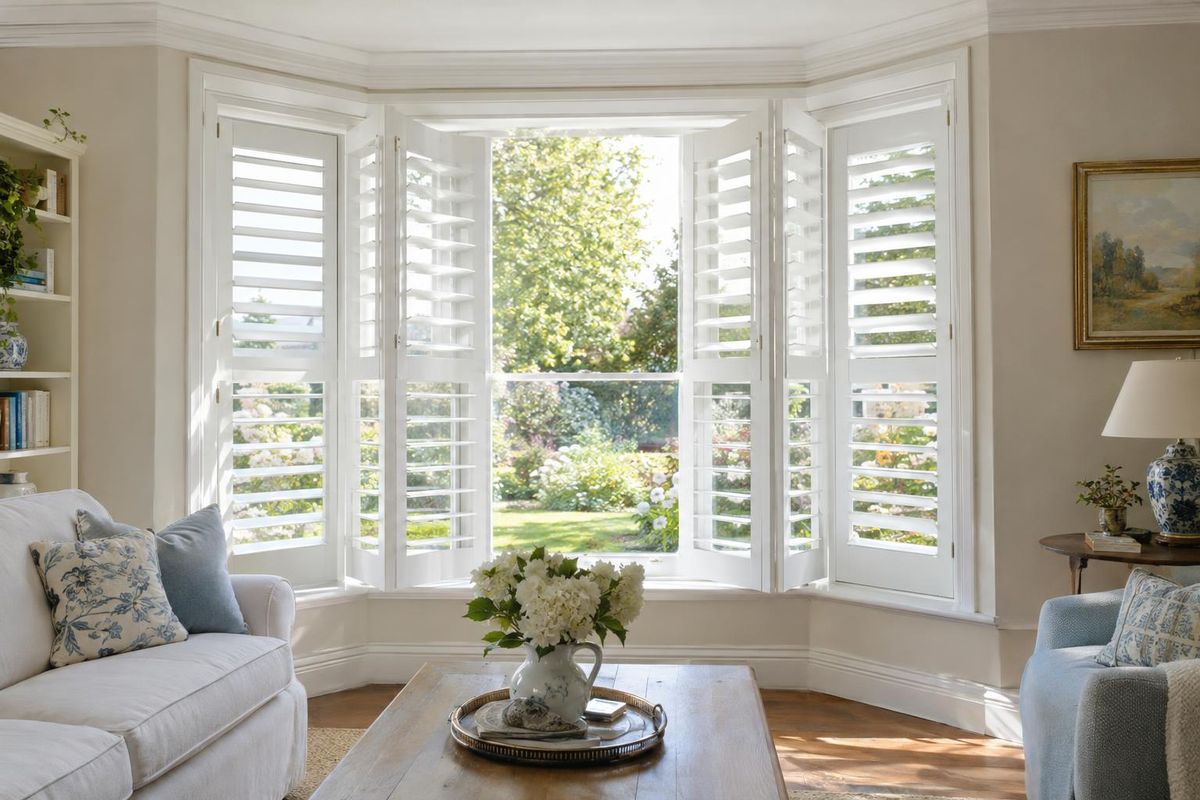
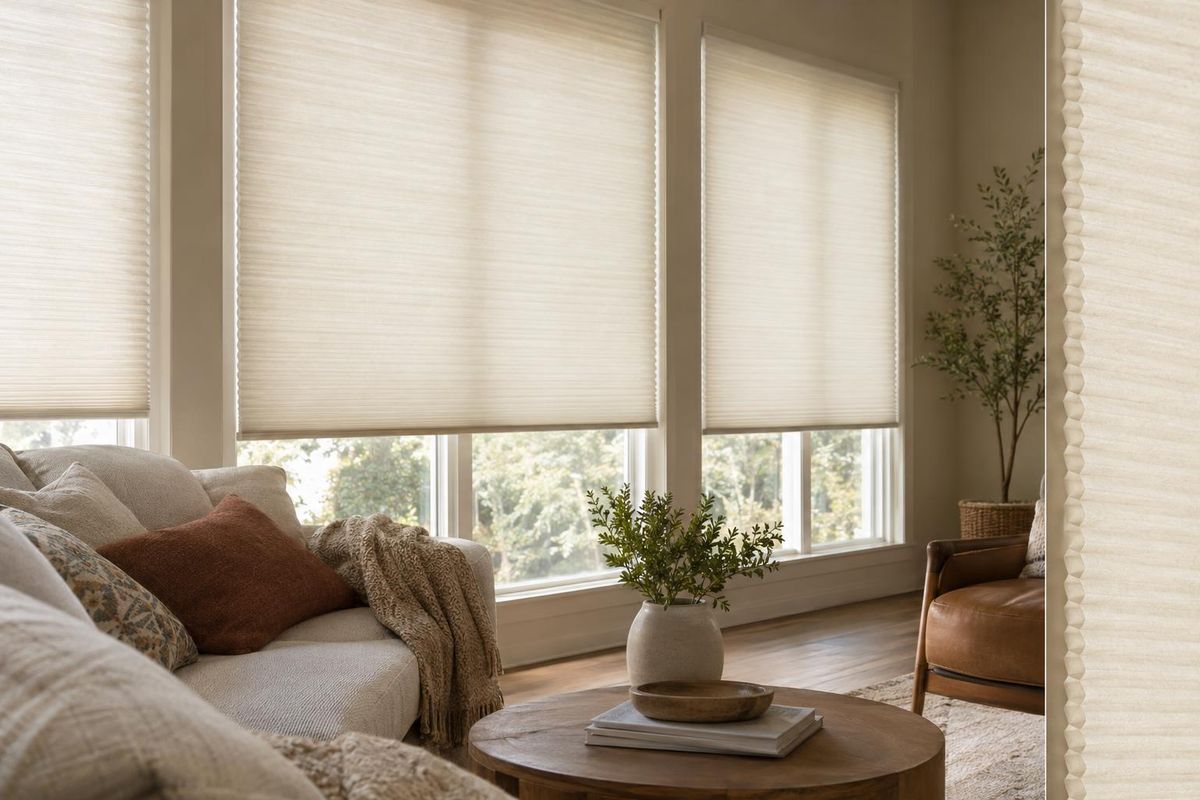
Cellular shades have air pockets that add insulation, and double-cell versions add more. Lined drapery, shutters and tightly fitted treatments also add a barrier and reduce drafts.
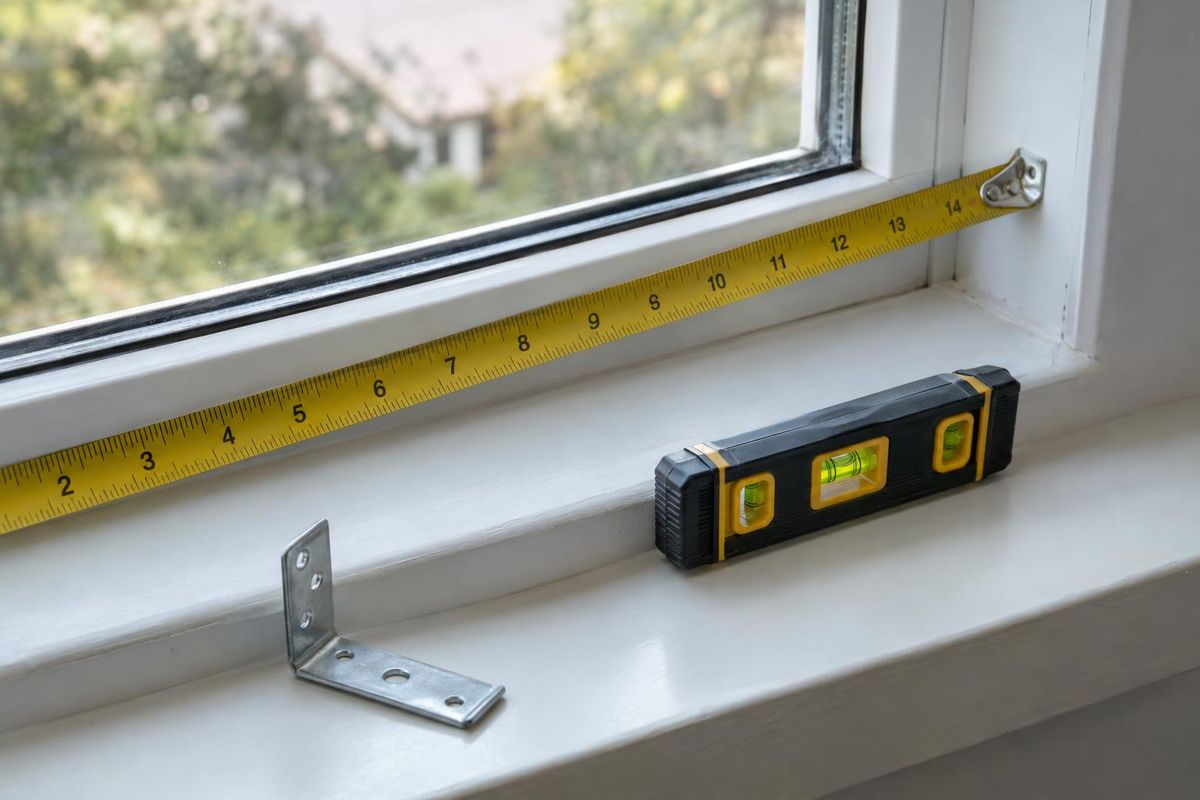
Fit matters. Gaps at the sides let air move around the treatment.
Sun control
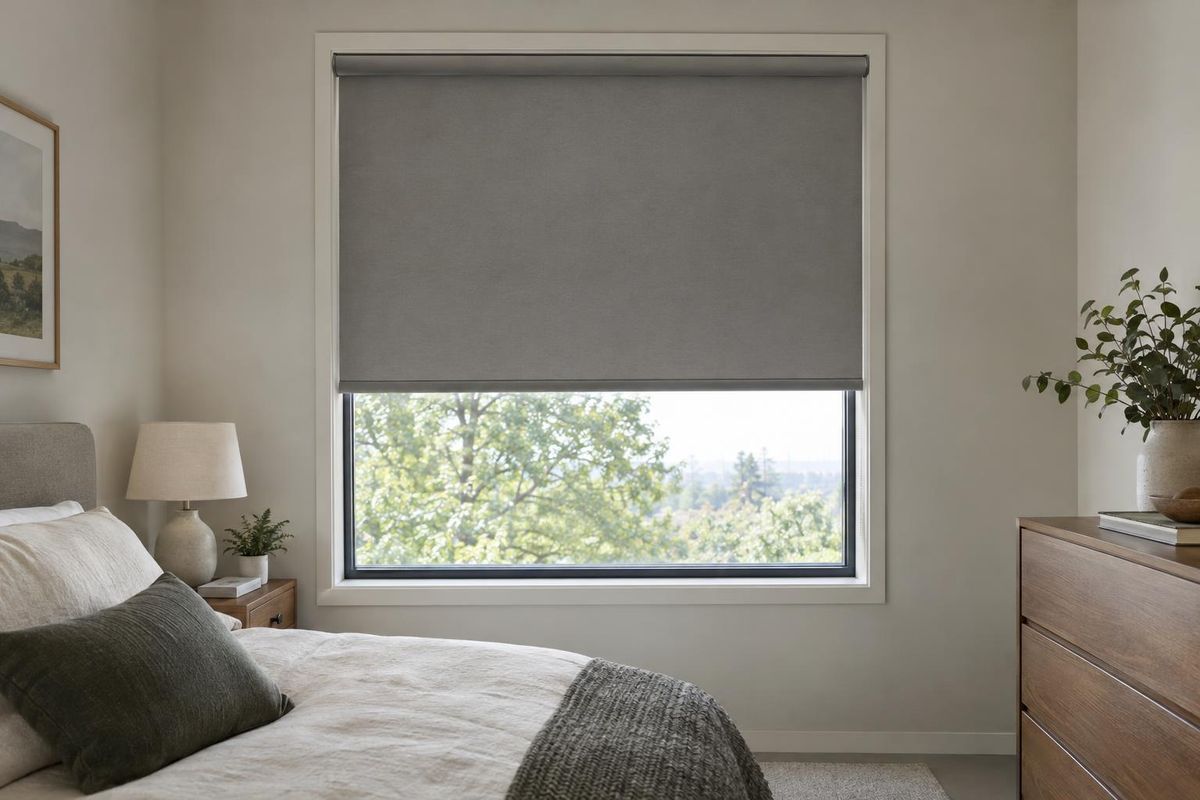
Solar shades, window film and exterior shades reduce solar heat before it enters the room. They are most useful on south and west windows in summer and also reduce glare on screens and faded furniture.
Exterior solutions block heat more effectively than interior ones.
Using treatments through the day
Close treatments on sunny windows in summer, and open them in winter to let sun warm the room, then close them at night. Motorized shades can follow a schedule for you.
In Nashville and across Middle Tennessee, humid summers and cool winters both make this useful.
Quick answers
Do window treatments lower energy bills?
They can help comfort and may reduce the load on heating and cooling, but savings depend on the home and how you use them.
Which treatment insulates most?
Double-cell cellular shades and well-fitted shutters or lined drapery add the most insulation.
Are solar shades or film better?
Both help. Shades are adjustable, while film stays in place all the time.