Key takeaways
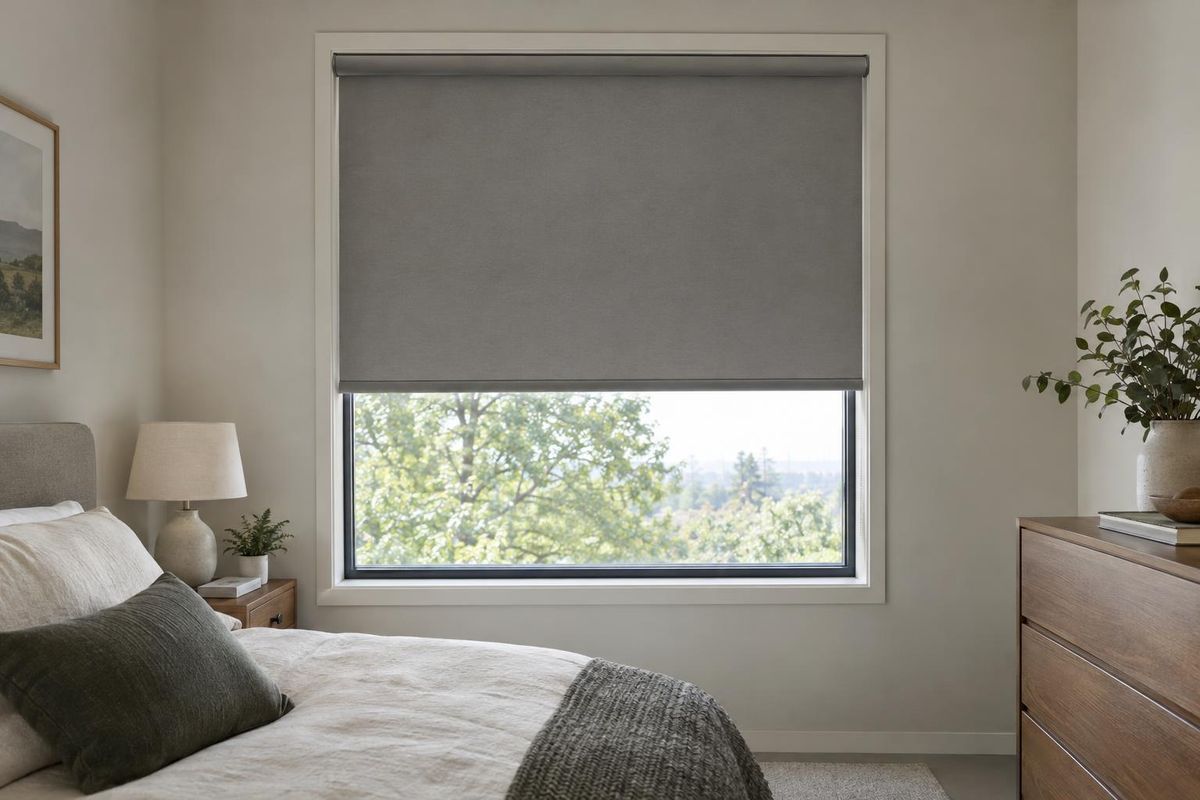
- Inside mounts sit within the window frame for a clean, tailored look.
- Outside mounts sit on the wall or trim and cover the whole frame.
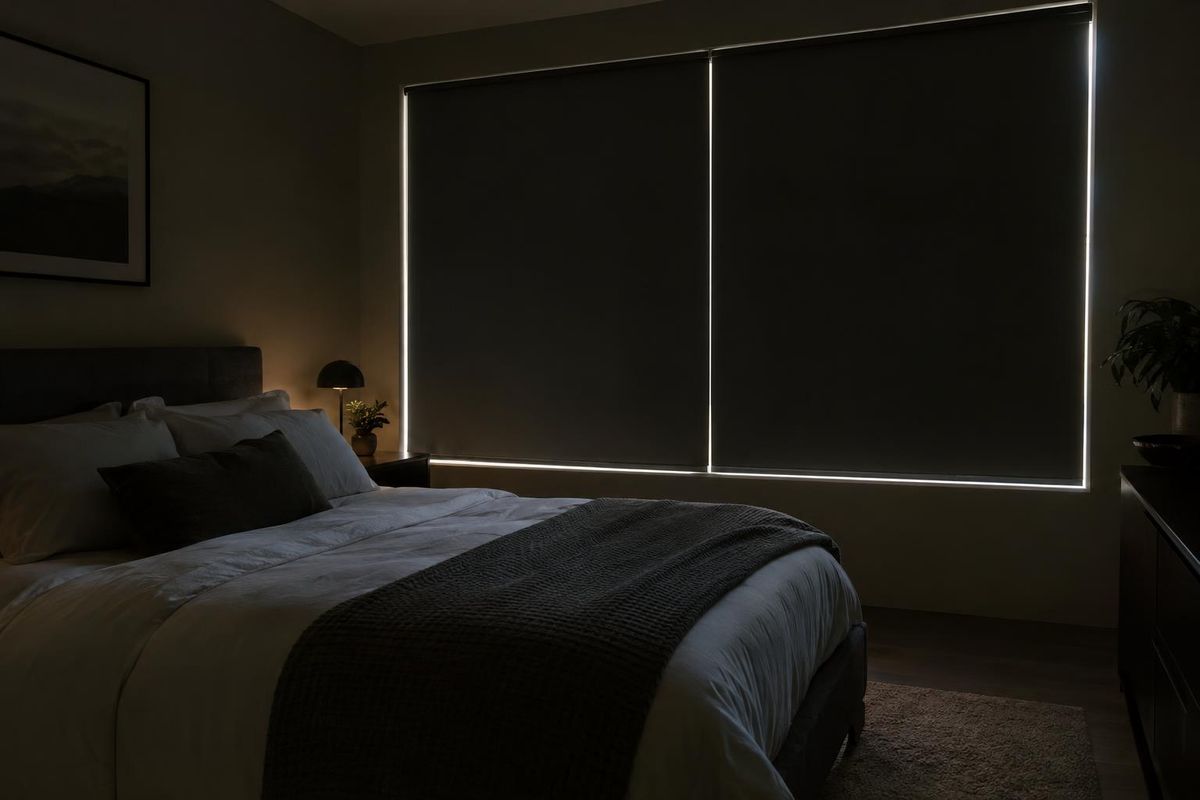
- Outside mounts block more light and can make windows look larger.
- Frame depth and obstructions often decide the choice.
Inside mounts
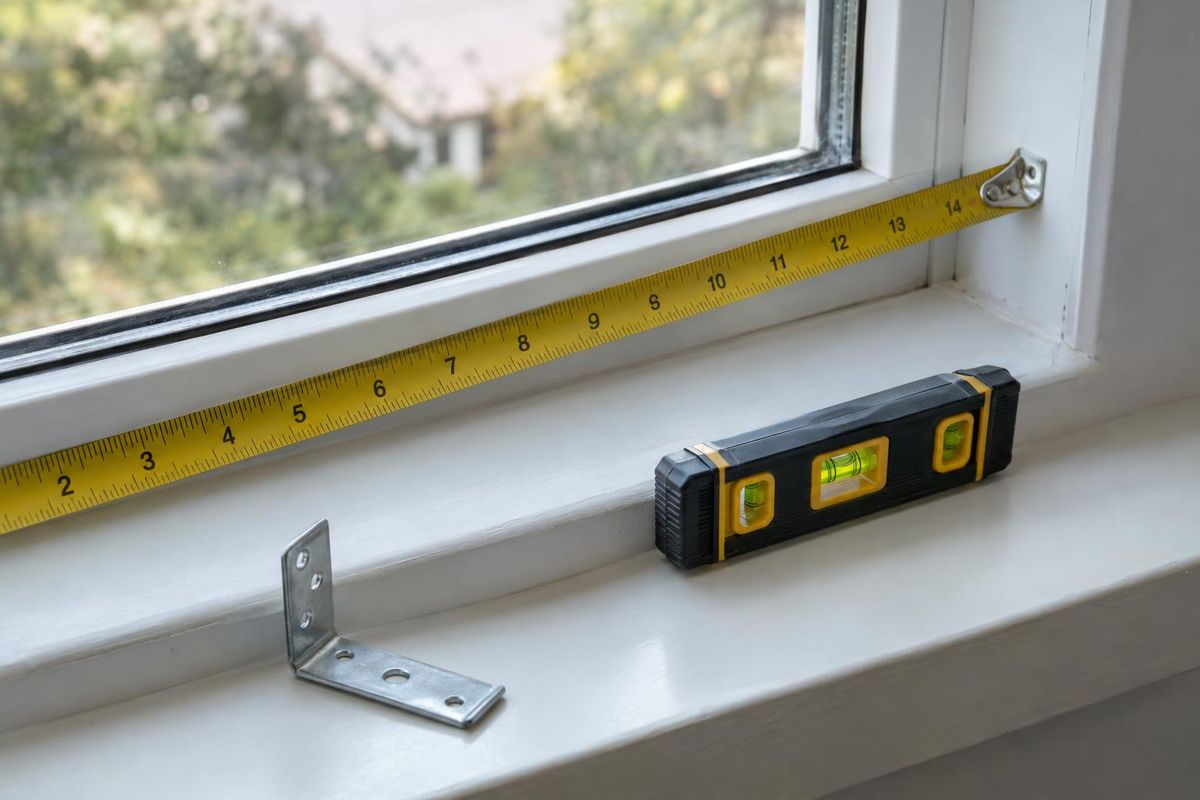
An inside mount fits the treatment within the window frame. It shows off trim and gives a neat, built-in look. It needs enough frame depth and a reasonably square opening.
There is usually a small gap at each side, which lets in some light.
Outside mounts
An outside mount attaches to the wall or trim above and around the window. It covers the frame completely, which reduces light gaps and hides uneven or shallow frames.
It can also make a window look taller and wider when mounted high and wide.
How to choose
Choose inside mounts when you love your trim and the frame is deep and square. Choose outside mounts when you want maximum light control, when the frame is shallow, or when you want to change the apparent size of the window.
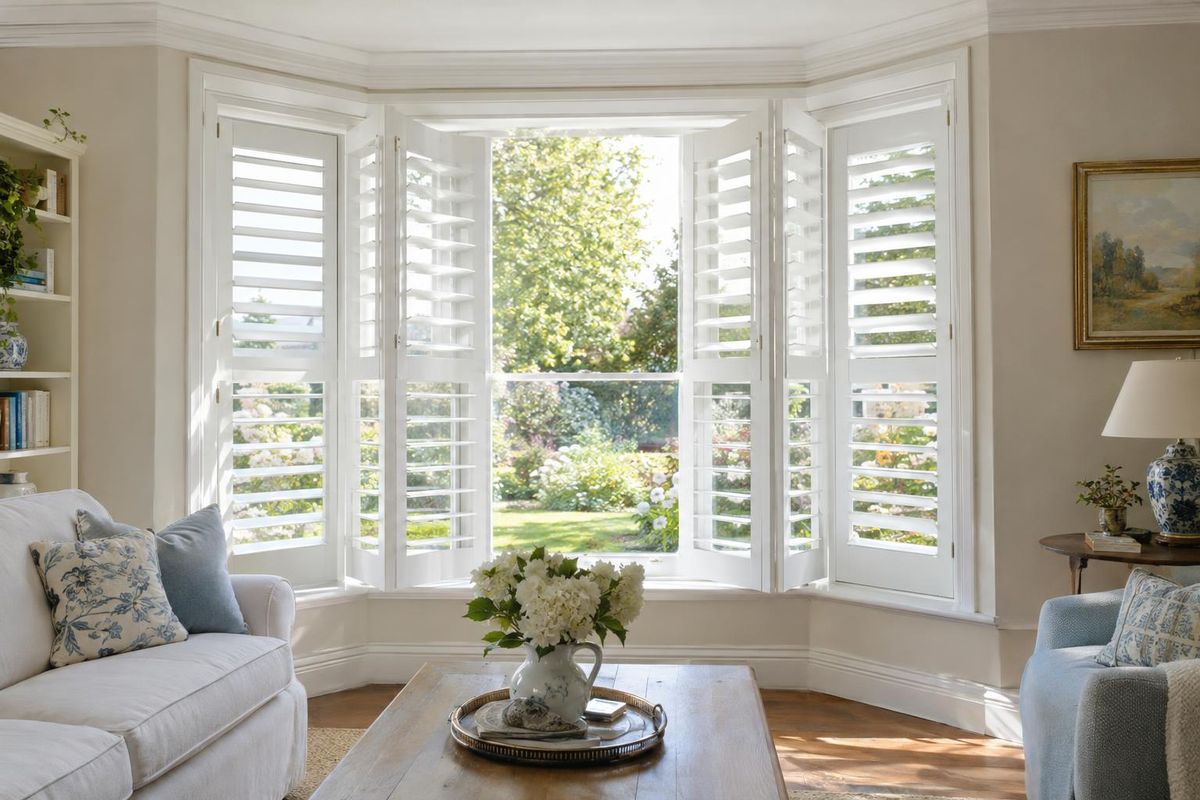
Some products, such as shutters and shades with valances, work better with one style than the other.
Mixing mounts
Mixing mount types in one house is common. A bedroom might use outside-mounted blackout shades while living rooms use inside-mounted blinds.
In Nashville and across Middle Tennessee, we look at each window and recommend a mount type that suits it.
Quick answers
Which mount blocks more light?
Outside mounts block more because they cover the frame and overlap the wall.
Can I switch mount types later?
Treatments are made for a specific mount, so changing usually means new treatments.
Do shutters mount inside or outside?
Both are possible. We choose by frame depth and look.