Key takeaways
- Layering lets you adjust light, privacy and style at different times of day.
- Hang the rod higher and wider than the window for good proportions.
- Use a shade or blind underneath for function and drapery on top for softness.
- Mind the stack space so panels clear the glass.
Why layer
A shade or blind controls light and privacy. Drapery adds softness, color, pattern and sound absorption. Together they give you more options than either alone, and the combination looks finished.
Layering also makes tall windows feel more balanced.
Good combinations
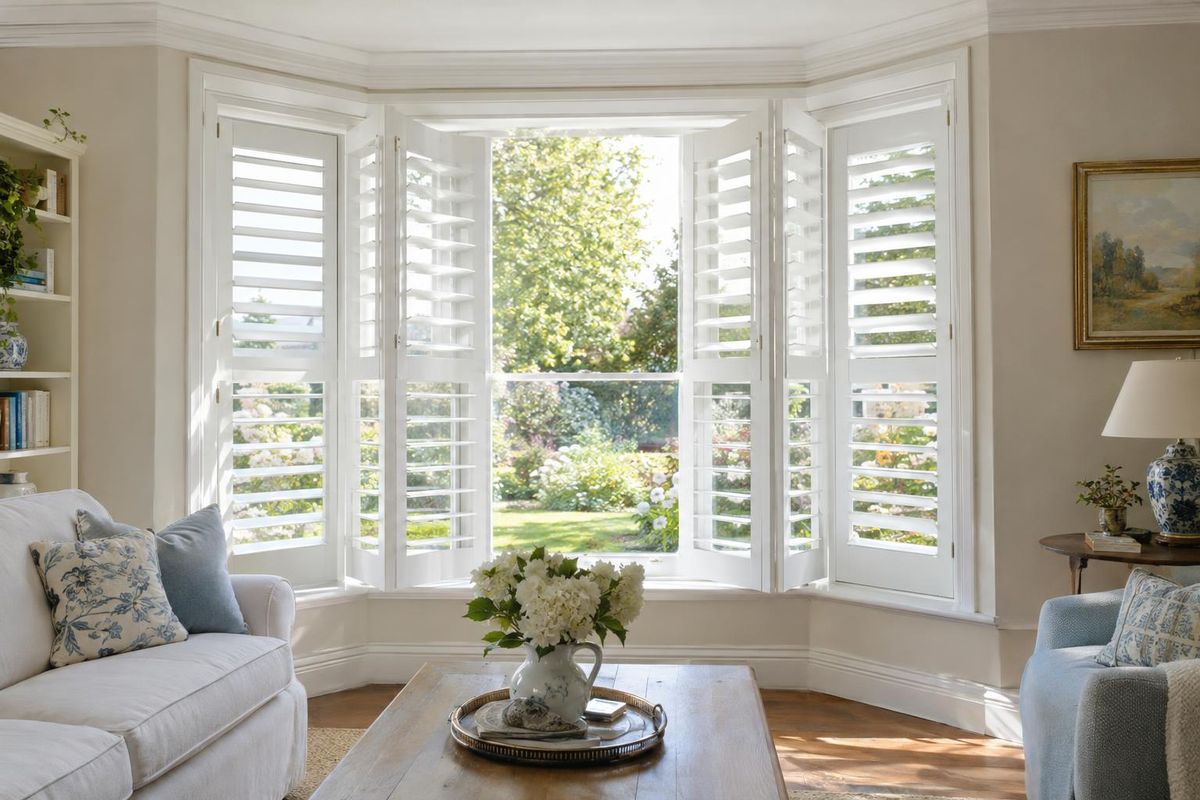
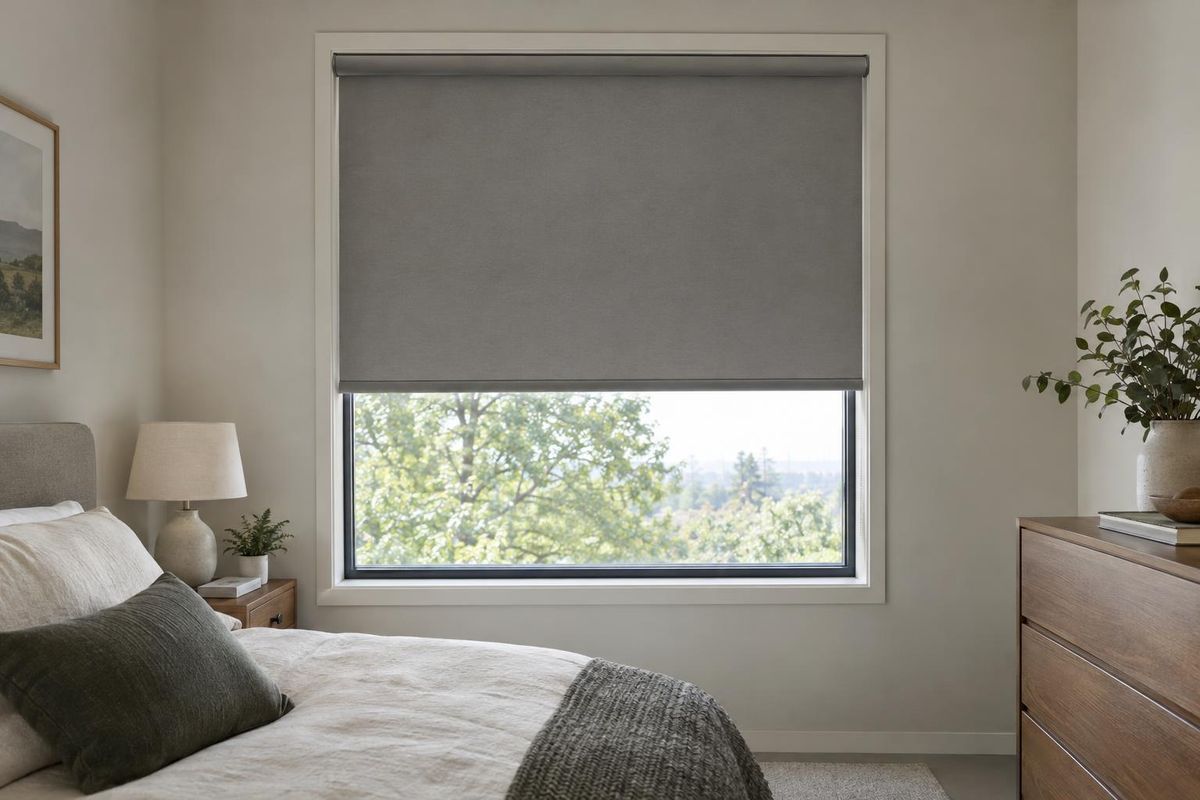
Roman or roller shades under drapery panels are classic. Plantation shutters with simple side panels suit traditional rooms. Sheers over blackout shades give a daytime and nighttime option.
Pick a color for the layer you see most.
Getting the proportions right
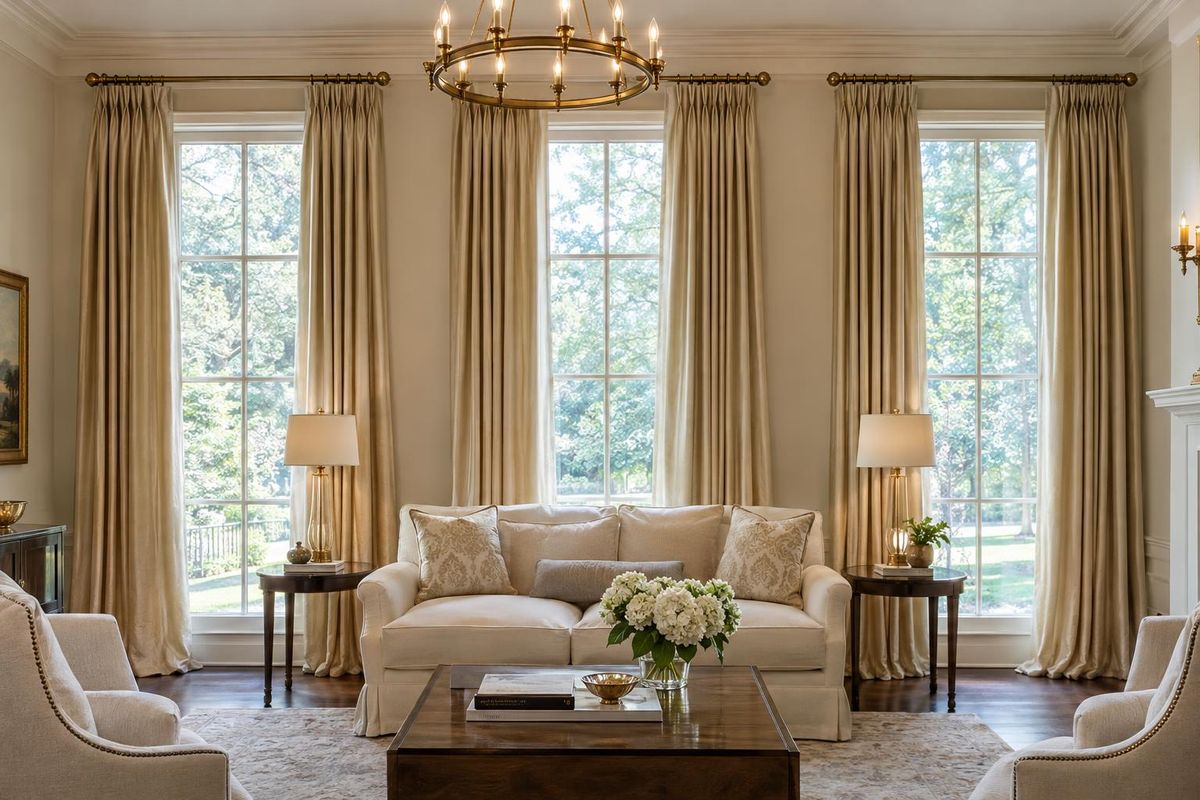
Hang the rod higher and wider than the window, with enough stack space so panels clear the glass when open. Choose a length that fits the style: floor-skimming for clean lines, pooling for a formal look.
Fullness matters, and panels should look generous when closed.
Hardware and installation
Layered treatments need hardware that works together: brackets that clear the shade, a rod that supports the weight and a plan for operating both layers. In Nashville and across Middle Tennessee, we plan the whole layer set at once.
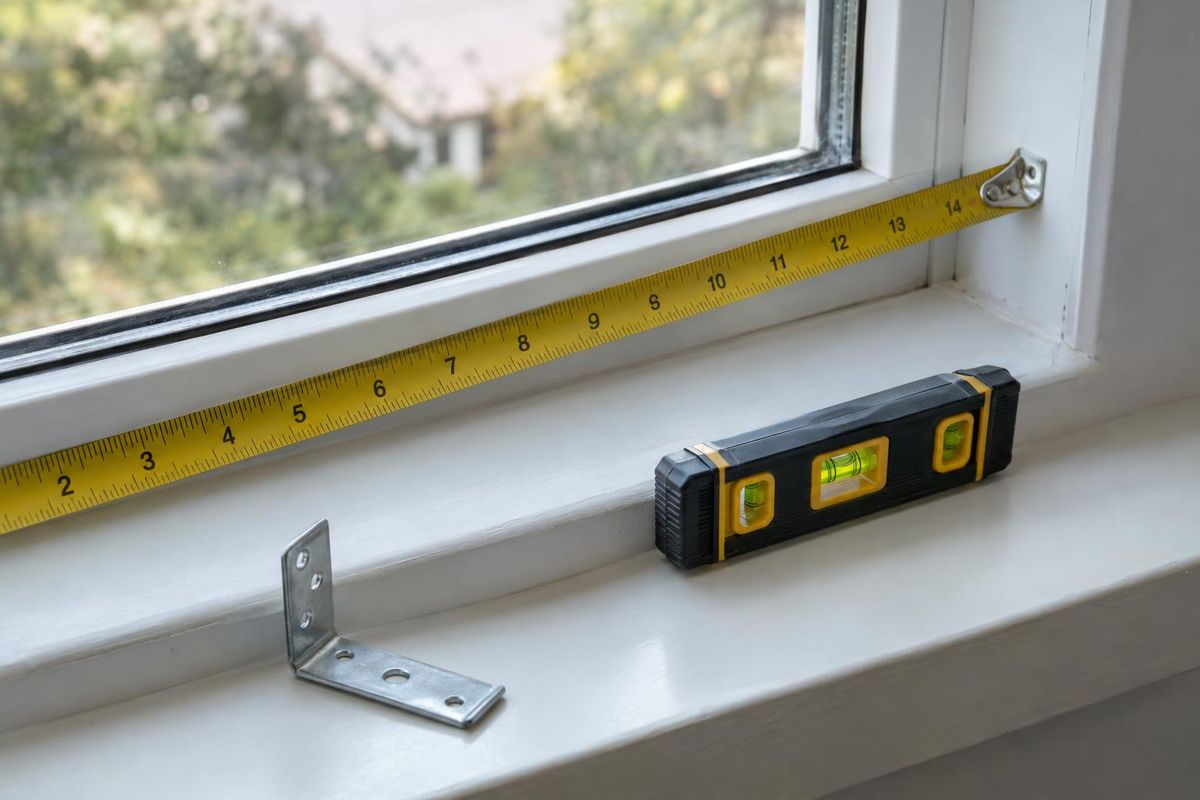
Measuring both layers together prevents conflicts.
Quick answers
Do I need to layer?
No, but many people like the added flexibility and polish.
Will drapery block the shade?
Not if the rod is wide enough and the stack-back is planned.
What shades go under drapery?
Roller, Roman and cellular shades are popular choices.