Key takeaways
- Light filtering softens daylight and keeps a room bright.
- Room darkening blocks most light but may glow in daylight.
- Blackout blocks nearly all light through the fabric.
- Edge gaps decide how dark a room really gets.
Light filtering
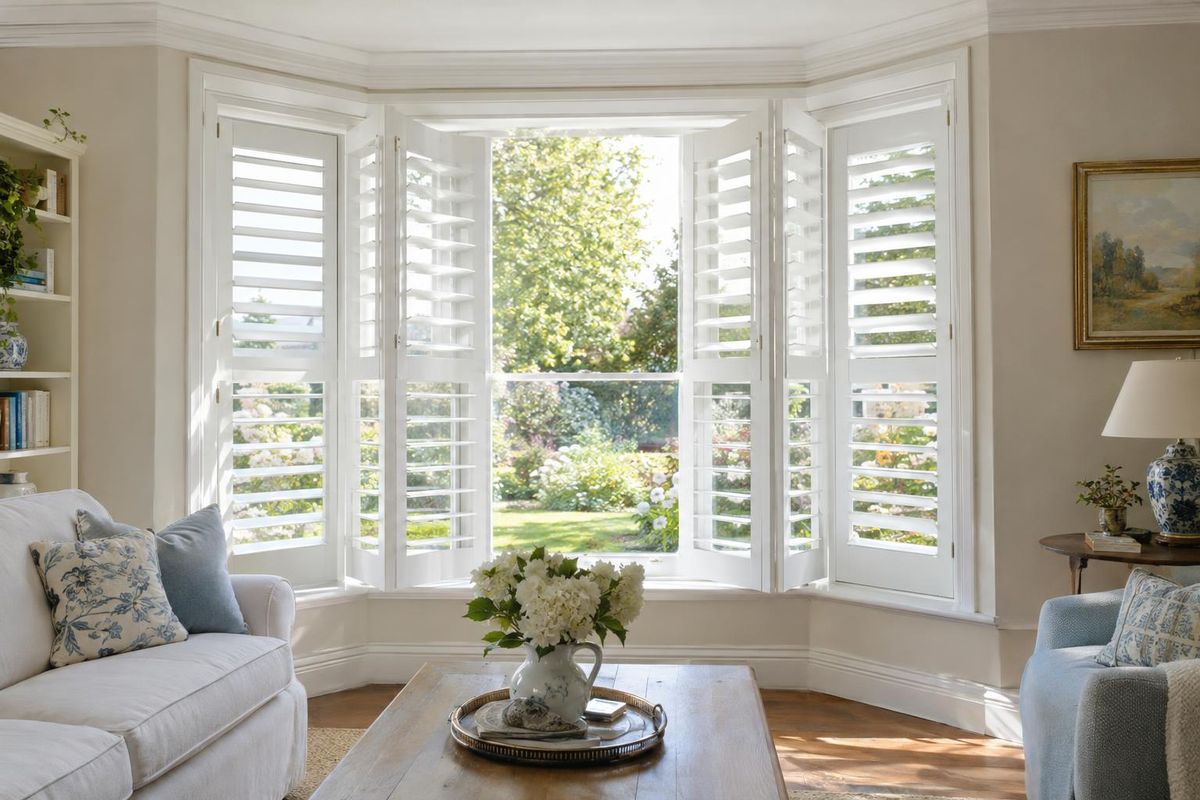
Light-filtering fabrics let daylight pass through while diffusing it. The room stays bright, glare softens and you get some privacy. They are common in living rooms, kitchens and offices.
At night with lights on, light-filtering fabrics offer little privacy.
Room darkening
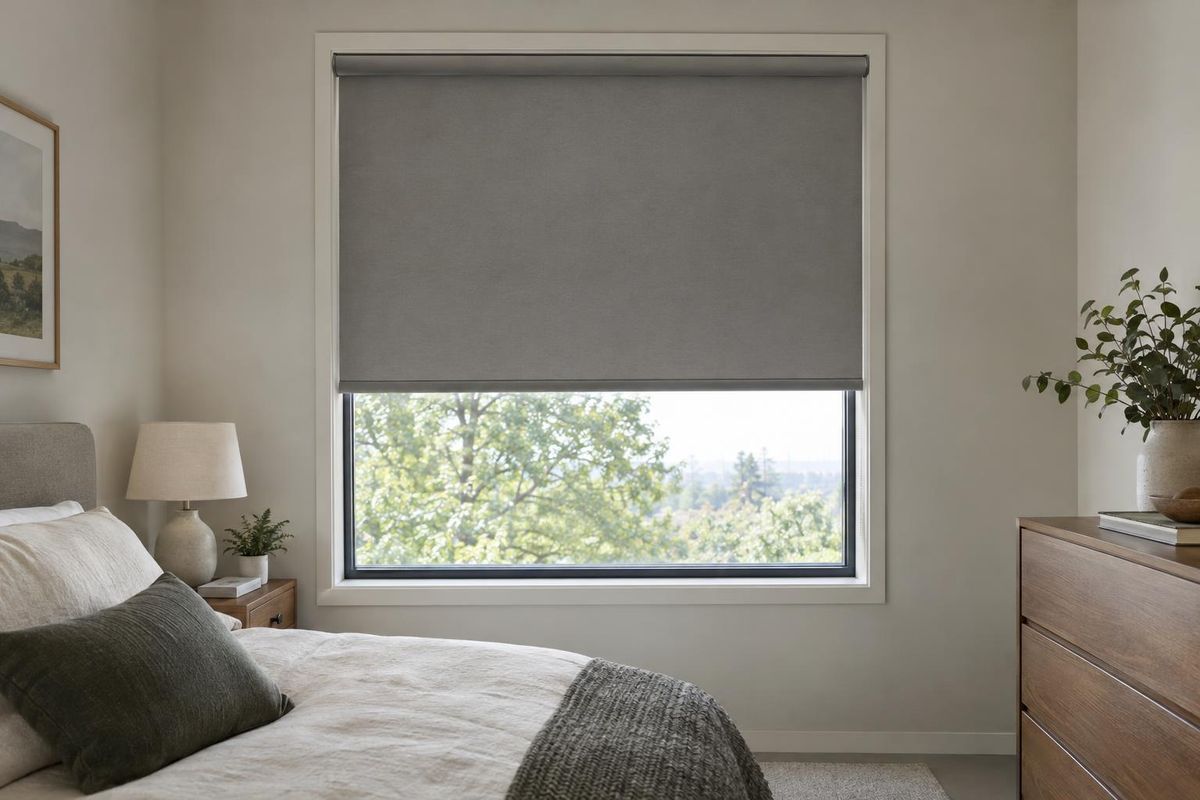
Room-darkening fabrics are thicker or lined. They block most light, though the shade may glow in bright sun and some light can leak around the edges. They suit bedrooms and spaces where you want a restful feel without total darkness.
They are a good middle ground for many homes.
Blackout
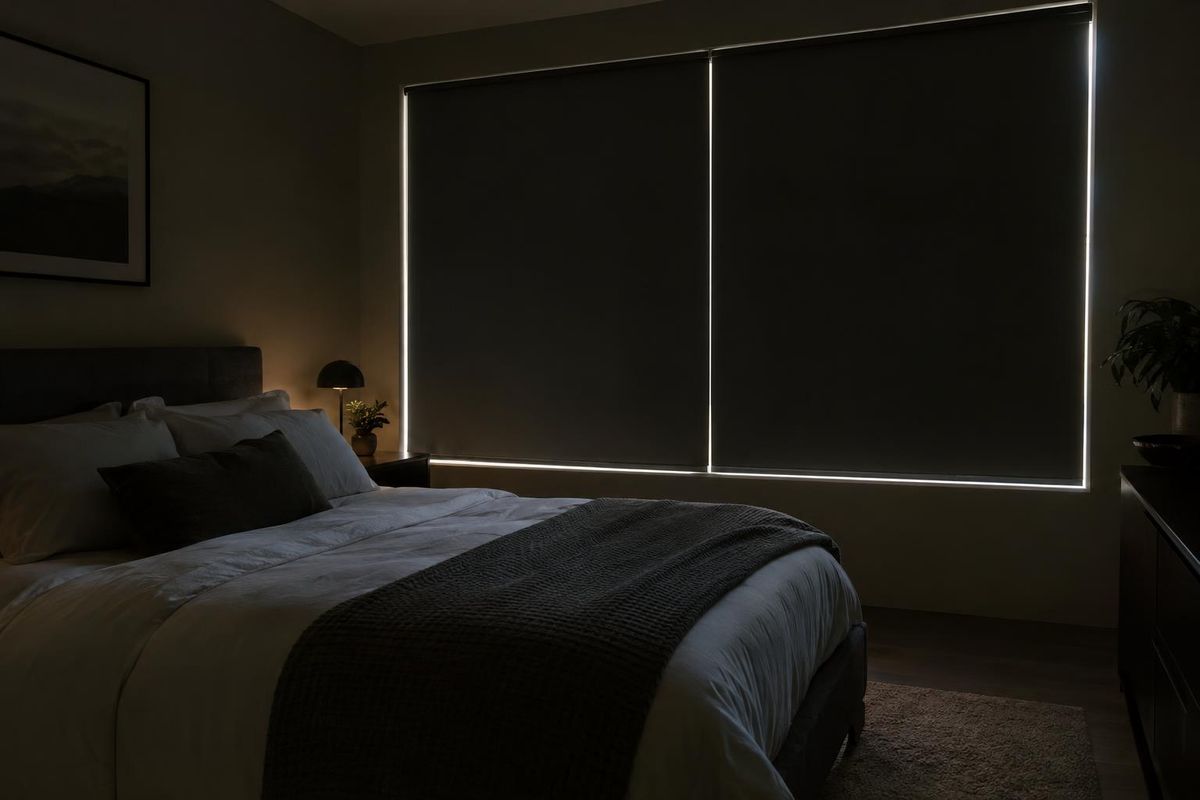
Blackout fabrics are opaque, often with a coating or special lining. They block nearly all light that tries to pass through the fabric. They help in bedrooms, nurseries, media rooms and for people who sleep in the daytime.
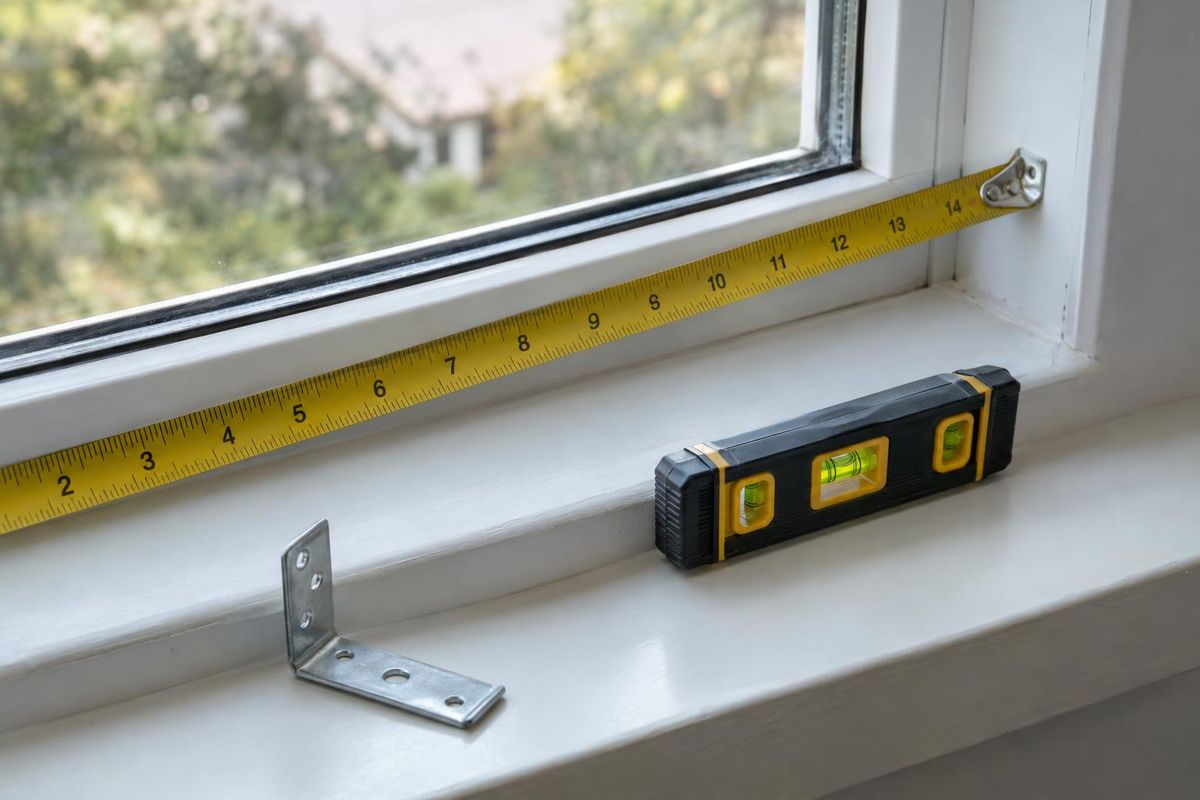
No fabric can fix light that sneaks around the edges, so mounting and side channels matter.
Choosing for each room
Think about when you use the room and what the light does to it. A kitchen might need light filtering, a bedroom blackout and a family room somewhere in between.
In Nashville and nearby areas, we bring samples so you can compare opacity in your own rooms.
Quick answers
Will blackout shades make the room completely dark?
They block most light through the fabric, but edge gaps can still glow. Tight fits and side channels help.
Which suits a home office?
Light-filtering or solar fabrics keep the room bright and cut glare.
Can I get different opacities in one room?
Yes. Layering a sheer with a blackout shade gives flexibility.